Watch a book come together
A quick walkthrough of Storybench, start to finish.
Tired of books a machine wrote for you?
You’ve seen them: shelves filling up with books nobody really wrote. Type a prompt, take whatever the model hands back, slap a cover on it. The words are no one’s. The characters wander off by page three. Kids can tell. You can tell.
That’s not your book.
But the story in your head? The voice you’d read it in, the world only you can see, the character you can’t stop thinking about? That part is yours, and it’s the part that matters. A machine can’t dream it up. It can only help you draw it.
Three questions
- What if you wrote every word yourself?
- What if the AI never touched your story, only your pictures?
- What if your characters couldn’t drift, even if they tried?
That’s the whole idea. You’re the author. The machine just holds the pencil.
Three things we got stubborn about
The imagination is yours. All of it.
The story, the voice, the world you dreamed up: that’s the part no machine can make, and it’s the part we’d never take. The model never writes your story, never picks your plot, never decides what happens next. It draws what you wrote. That’s the deal, and it isn’t up for negotiation.
It can’t go off-character.
Here’s the proof we mean it: build your cast once and it’s the only thing the AI is allowed to draw. The same hero on every page, in every book. If it can’t find your character, it stops instead of making up a stranger.
Yours to keep, yours to hold.
You walk away with a real book: print-ready for KDP, an EPUB for the stores, yours to sell. Not a preview that vanishes in seven days. Not a screen that’s gone by morning.
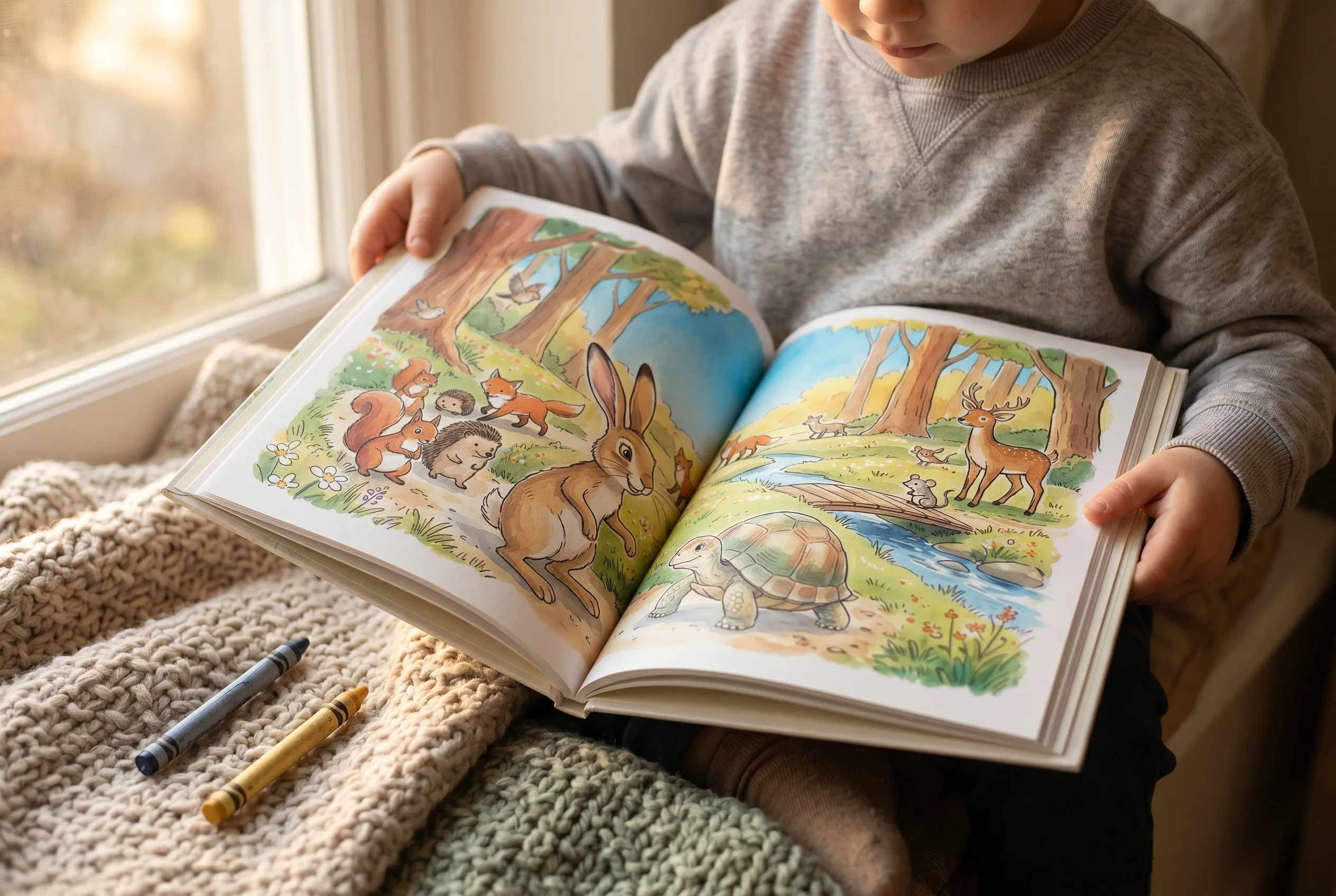
The best part isn’t on a screen.
It’s the moment the story you dreamed up turns up as a real book: printed, bound, sitting in a kid’s lap. The words you wrote, the characters you imagined, made into a thing you can hold. Everything we build points at that moment. A clean, print-ready file you can send straight to KDP or your local printer, sized right, bleed and all, so the thing in your head becomes a thing in your hands.
A story stuck in your head helps no one. A book you can hand to someone is a different thing entirely.
Here’s one on Amazon right now.
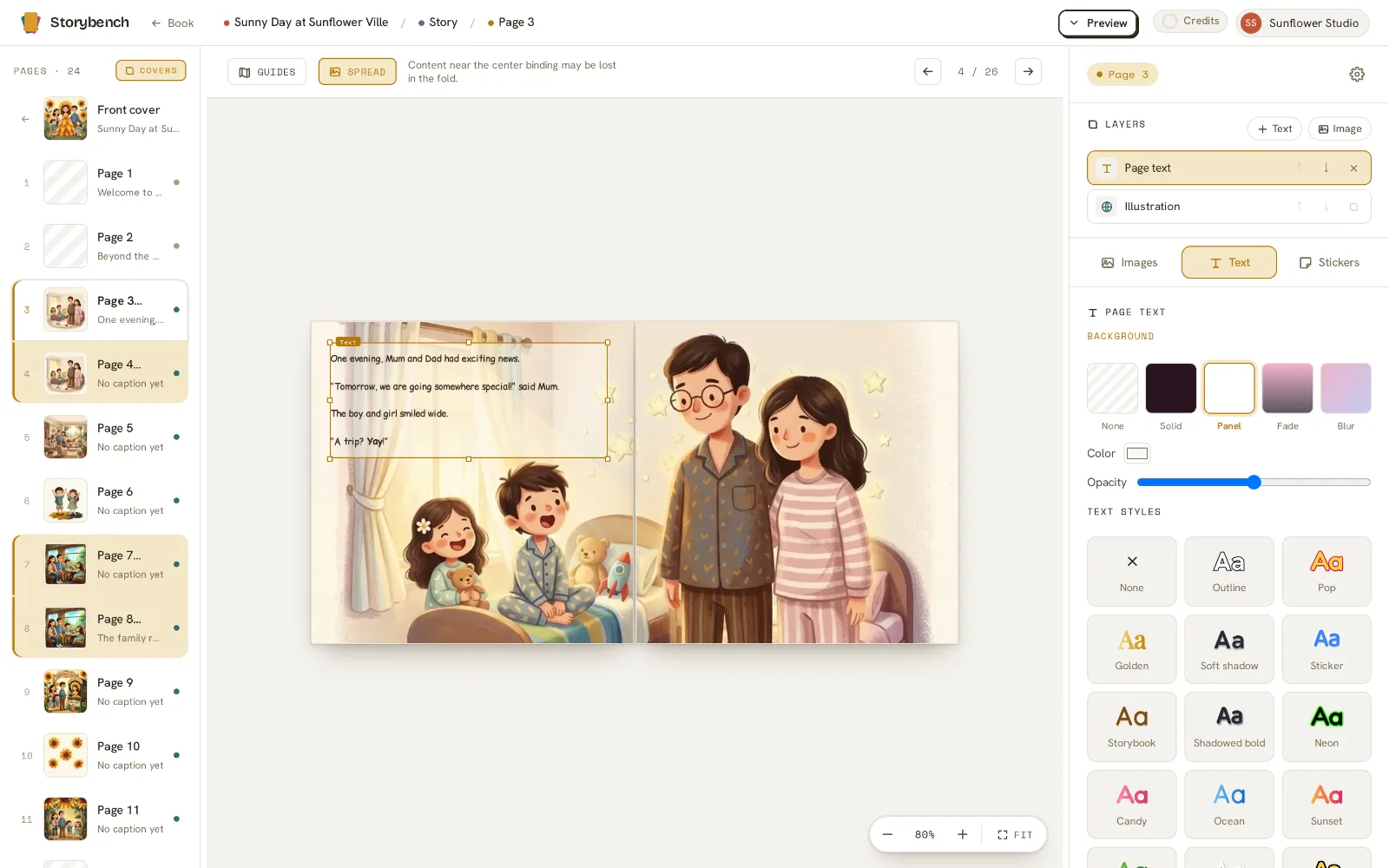
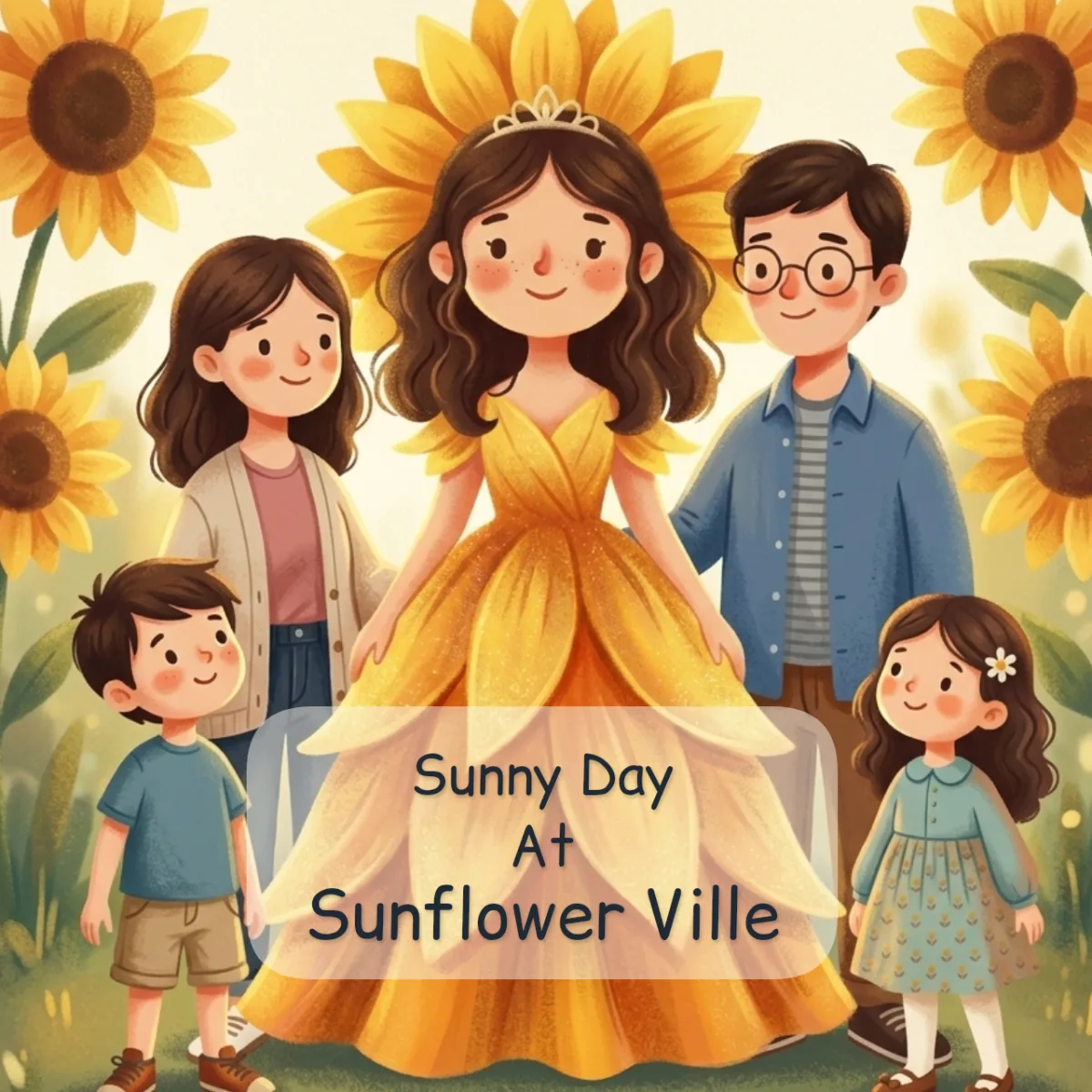
Not a mockup, not a someday. Every page of Sunny Day at Sunflower Ville was laid out right here in the editor, the same family on every spread, and the finished book is for sale on Amazon today. That’s the whole promise in one picture: you build it here, and it ends up on a real shelf with your name on the cover.
Build your cast once. Use it for every book that follows.
The hard work is the setup: building the cast & world. Do it once and it carries, the same characters into book two, book three, every book after that, without re-describing anyone or typing a single style word.
So your second book comes easier than your first. By the third, the only thing left to do is the best thing: dreaming up what happens next. The imagining, the part that was always yours.
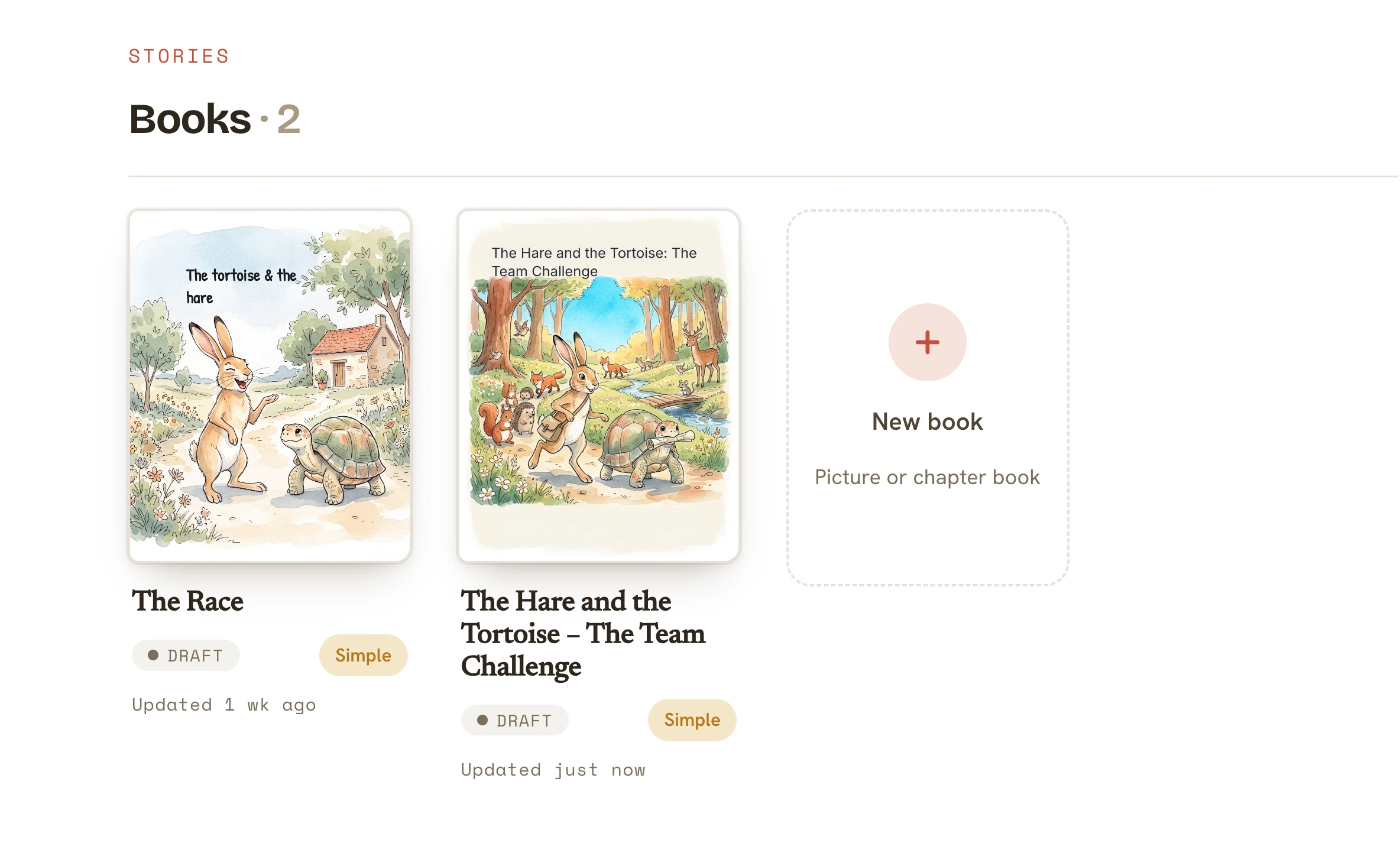
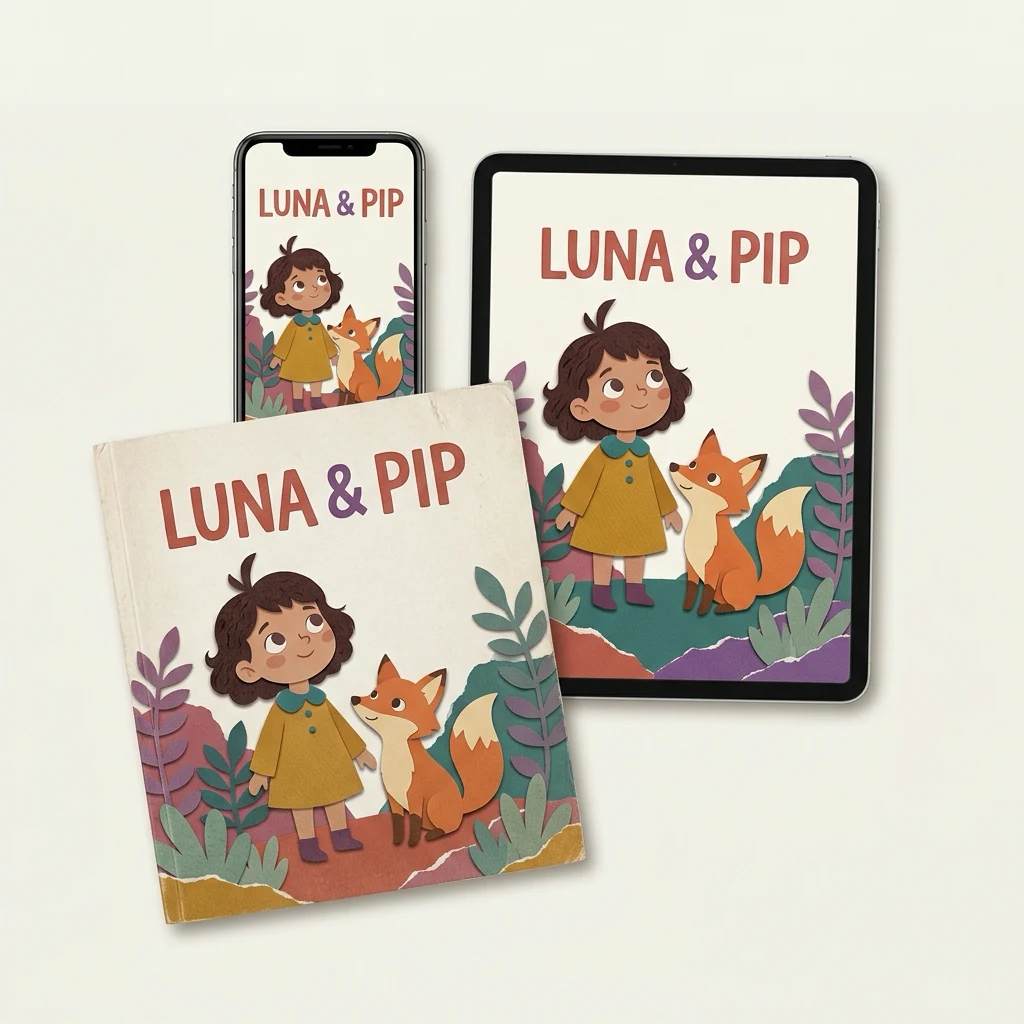
Done? Take it anywhere.
When the book’s finished, you choose where it goes: a print-ready PDF for KDP & print-on-demand, an EPUB for the ebook stores, or image files of every page to share anywhere.
Read-along videos and an embeddable book for your own site are rolling out next. Same cast, same words, no extra work.
Where we stand
- You stay the author.The story, the voice, the imagination: those are the irreplaceable part, and they’re yours. The AI never writes a line of your story, never picks your plot, never decides what happens next. It draws what you wrote. The author’s seat is yours, and it stays yours.
- Built around the book.Not a blank canvas, not a feed of one-off images. Every screen assumes you’re making a book, with a cast that carries from page to page.
- Not built for studios.No pipelines, no seat licenses, no onboarding call. Storybench is for one person (or two) making a book they actually care about.
Who’s on the other end
We’re a small team, and we read every email that comes in (the real ones, written by us, not a ticket bot). If something’s broken, you’ll hear back from a person who can fix it. If you’ve got an idea, it lands on the same desk where the product gets built.
We’d rather earn one author who finishes ten books than chase a thousand who never finish the first. Quietly, that’s the whole plan.
Questions you’re probably about to ask
What is Storybench, in one breath?
A web tool for making illustrated books where you write every word and the story stays yours from the first line to the last. You build your cast & world once, and the AI only illustrates each page with those exact characters. The imagination is yours; the AI just draws it.
Does the AI write the story for me?
No, and that’s the point. The story, the voice, the imagination are yours, and that’s the part that matters. You write every word. The AI only does the pictures, and it only ever draws the cast you built. No auto-generated plots, no filler, no slop.
How do you keep my characters consistent?
Your cast, settings & props live in one place and load into every page automatically. If the AI can’t find your character, it stops instead of inventing a stranger. Same hero, every page, every book.
Do I need to know how to draw?
Nope. We built this for people with zero illustration background: parents, teachers, writers, anyone with a character in their head and a story to tell.
Can I use my own art, or my own illustrator?
Yes. The AI is the assist, not the only way. You can upload your own reference art, or hand-draw your cast a single time, and the AI carries that exact look across every page (the hybrid). Prefer to do it all by hand? You can place your own illustrations on the page too. The illustration is just the tool: AI or your own hand, your call.
What can I publish?
A print-ready PDF for KDP and print-on-demand, an EPUB ebook, and image files of every page to share anywhere.
What’s it going to cost?
Your words are always free. Credits fund the illustrating, and only that. A membership grants you a batch of credits every month, and members can top up with a credit pack whenever they need more. It’s built for independent creators, not studios. See the pricing page for the details.
Is it ready right now?
Yes. Create an account and you can start writing today. New accounts start with 120 welcome credits (about 6 illustrations), so you can illustrate a few pages before you pay anything (one welcome bonus per person). You only spend credits when you ask the AI to draw.
Write the book only you could write.
Create your account and start with your words. You only spend credits when you ask the AI to draw.
Start creating