How to keep AI characters consistent across images
Reference images, re-prompting, or a persistent cast: three ways to stop AI character drift, with honest pros and cons of each.
Guides, stories & honest notes on writing illustrated books you actually authored, with a cast that stays itself page after page.
Reference images, re-prompting, or a persistent cast: three ways to stop AI character drift, with honest pros and cons of each.
One consistent book is hard. A consistent series is harder, unless your cast carries over. Here's how to keep characters the same across titles.
A child facing a big feeling connects with a story about exactly that. How custom picture books support social-emotional learning.
Hiring an illustrator, doing it yourself, or using AI: an honest look at when you need a pro and when you don't.
Board book, picture book, early reader, chapter book: typical children's book word count by age and reading level, in one quick guide.
A generated story is smooth and forgettable. A story in your own words is a little uneven, and that's exactly why it lands and gets loved.
How to describe a scene for AI illustration: what to spell out, what to leave to your cast, so the AI draws the page you actually pictured.
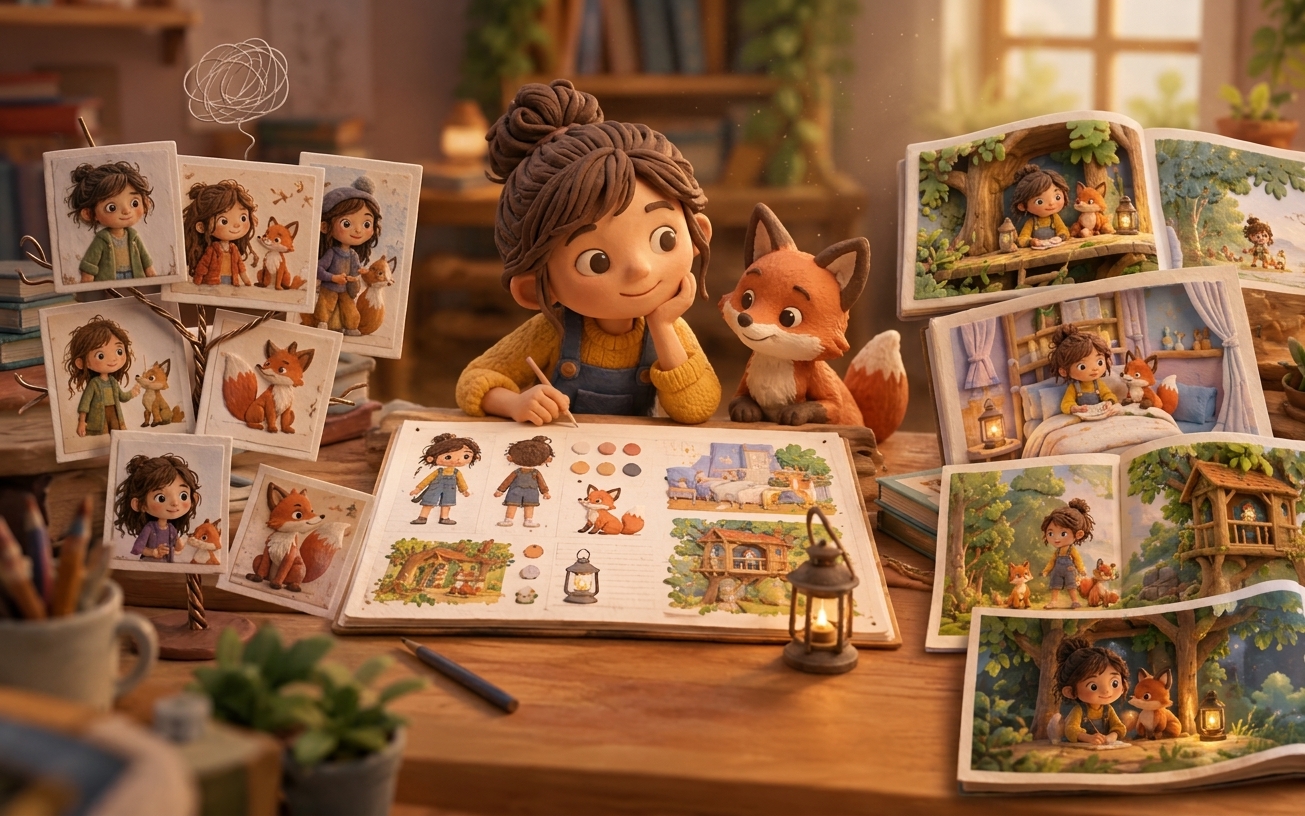
A cast is the set of characters, settings, and props your book reuses on every page. Here's what it is and why you build it once.
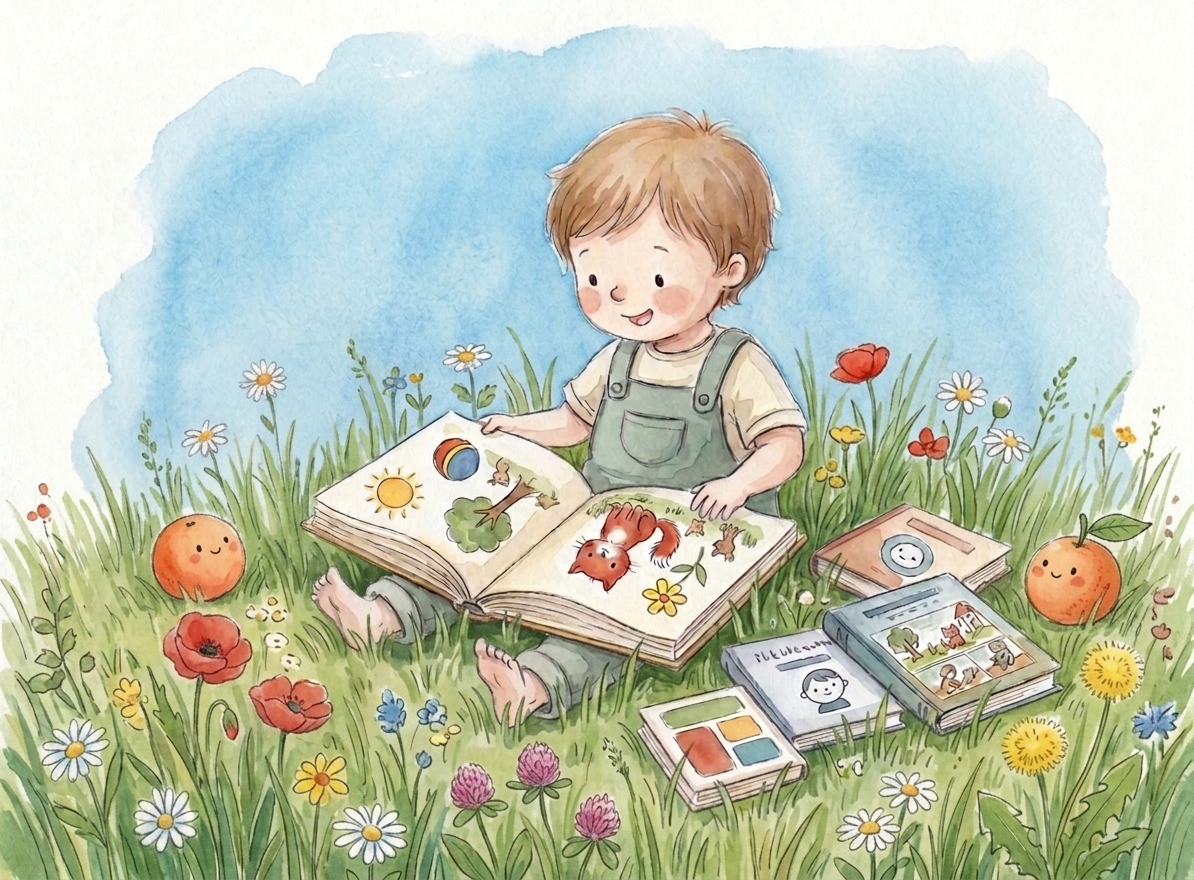
Vocabulary, sentence length, and art simplicity all change with reading level. Here's how to pitch a book right for early readers.
Do you need an ISBN? Who owns the copyright? The admin side of self-publishing a children's book, in plain English.
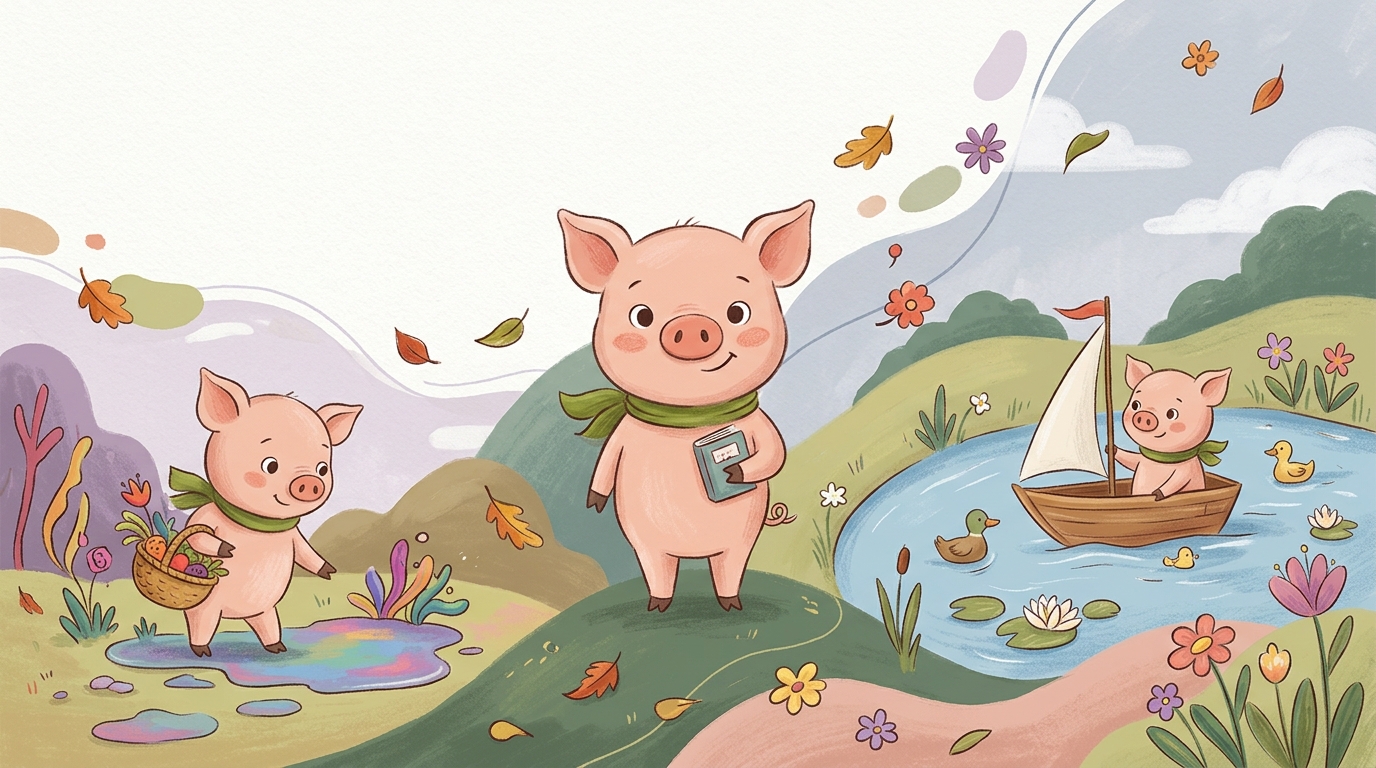
You've got one good character. Here's how to grow them into a series readers follow, without redrawing them every book.
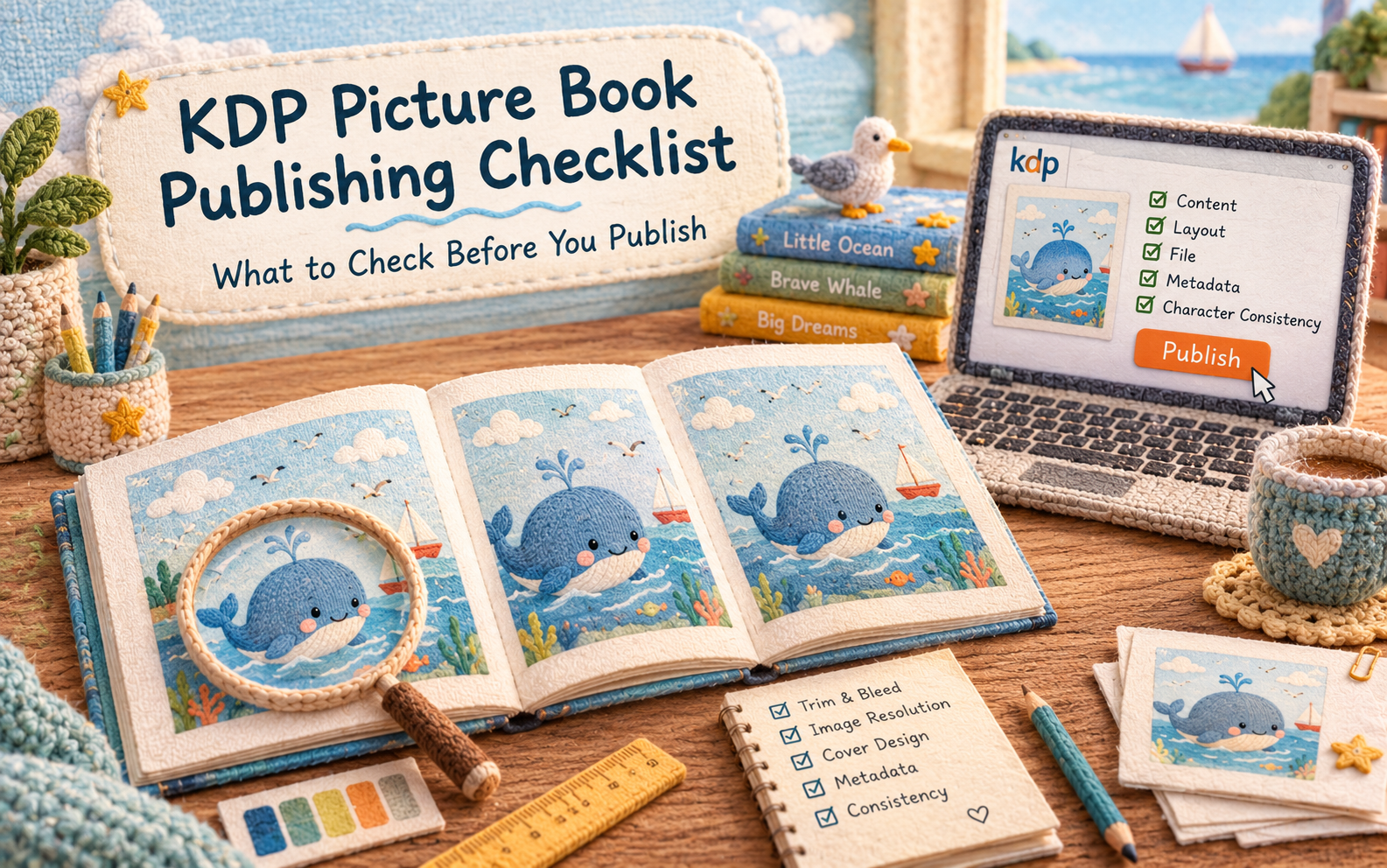
Trim, bleed, spelling, cover, metadata: the checklist to run before you hit publish on your KDP picture book.
Create your account and start with your words. You only spend credits when you ask the AI to draw.
Start creating