This is the heart of Storybench, so it is worth understanding well. Most tools forget your character the moment you finish one picture. The next image is a stranger who happens to share the name. Storybench is built the other way around.
You define your cast once
When you add a character, you give them reference pictures. That is the one and only time you decide what they look like. From then on, Storybench holds a clear picture of who they are, and leans on it for everything.
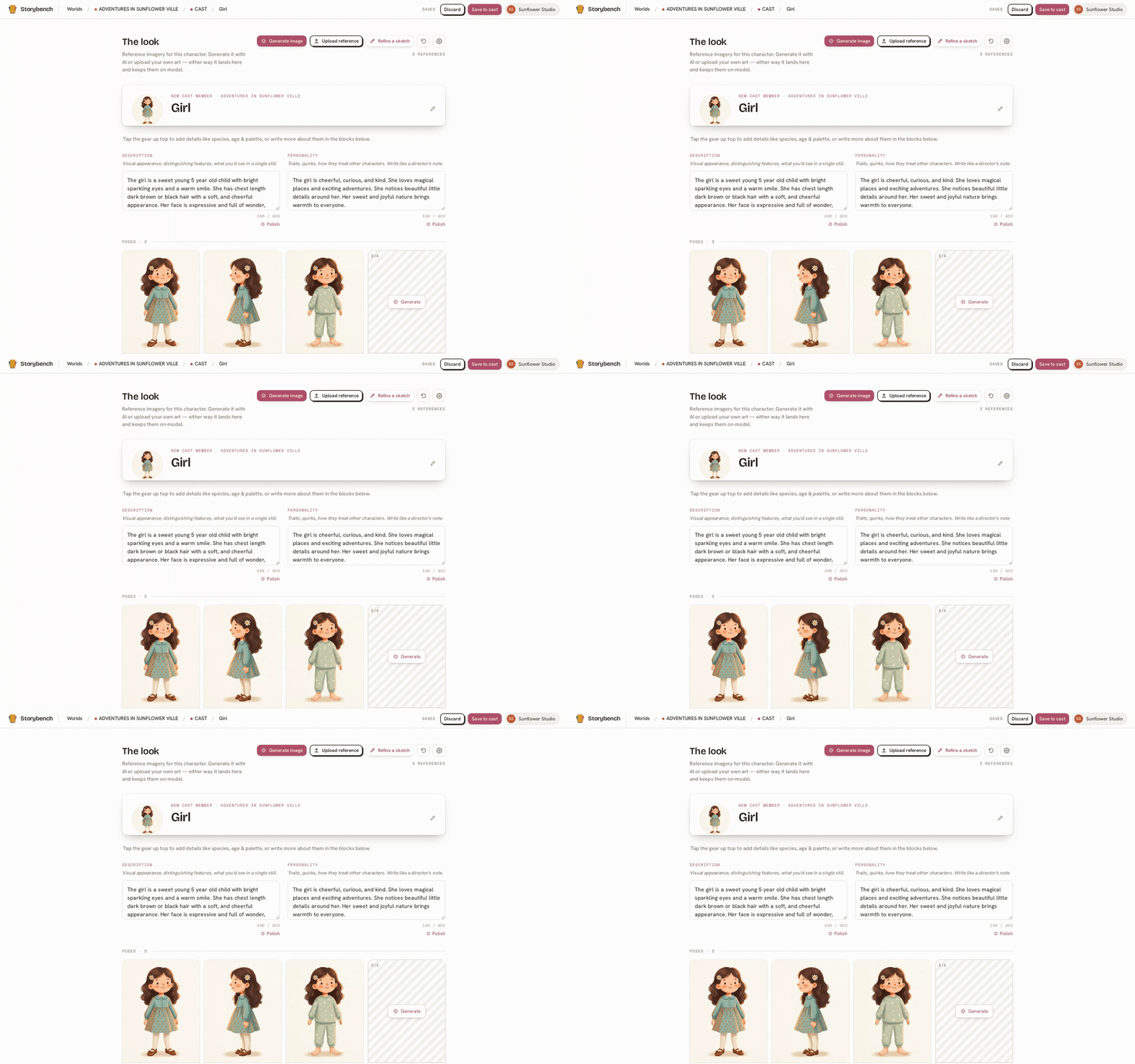
The World does the remembering
Every time you illustrate a page, your cast, your settings, your props, your tone, and your visual style are gathered up and loaded in for you. You write "she peeks around the garden gate" and the right character, the right garden, and the right style all arrive together. You never type a style word, and you never re-describe your hero.
How Storybench decides who is on a page
Storybench works out which characters belong on each page, in a simple order of priority:
- Characters you confirm. If you point to who should be on the page, those win.
- Characters you name in your words. If you wrote "Luna," Luna is included.
- Cast that has reference pictures. Anyone ready to be drawn can round out the scene.
Because reference pictures are required, if a needed character has none, the illustration is refused before you are ever charged. You are never billed for a picture that could not know who to draw.
Why it holds up across a whole shelf of books
The look is locked at the World level, and your cast lives in the World, not inside a single book. So your second book, and your tenth, begin with the same characters in the same style already in place. The first book is the only place you set all of this up. After that, you just write.
To make this magic reliable, spend a little care on your references: reference pictures, explained.